1950sPreview — design coming soon
Design coming soon
hoodie
Running In — Please Pass
Pardon the pace.
£60.00Coming soon
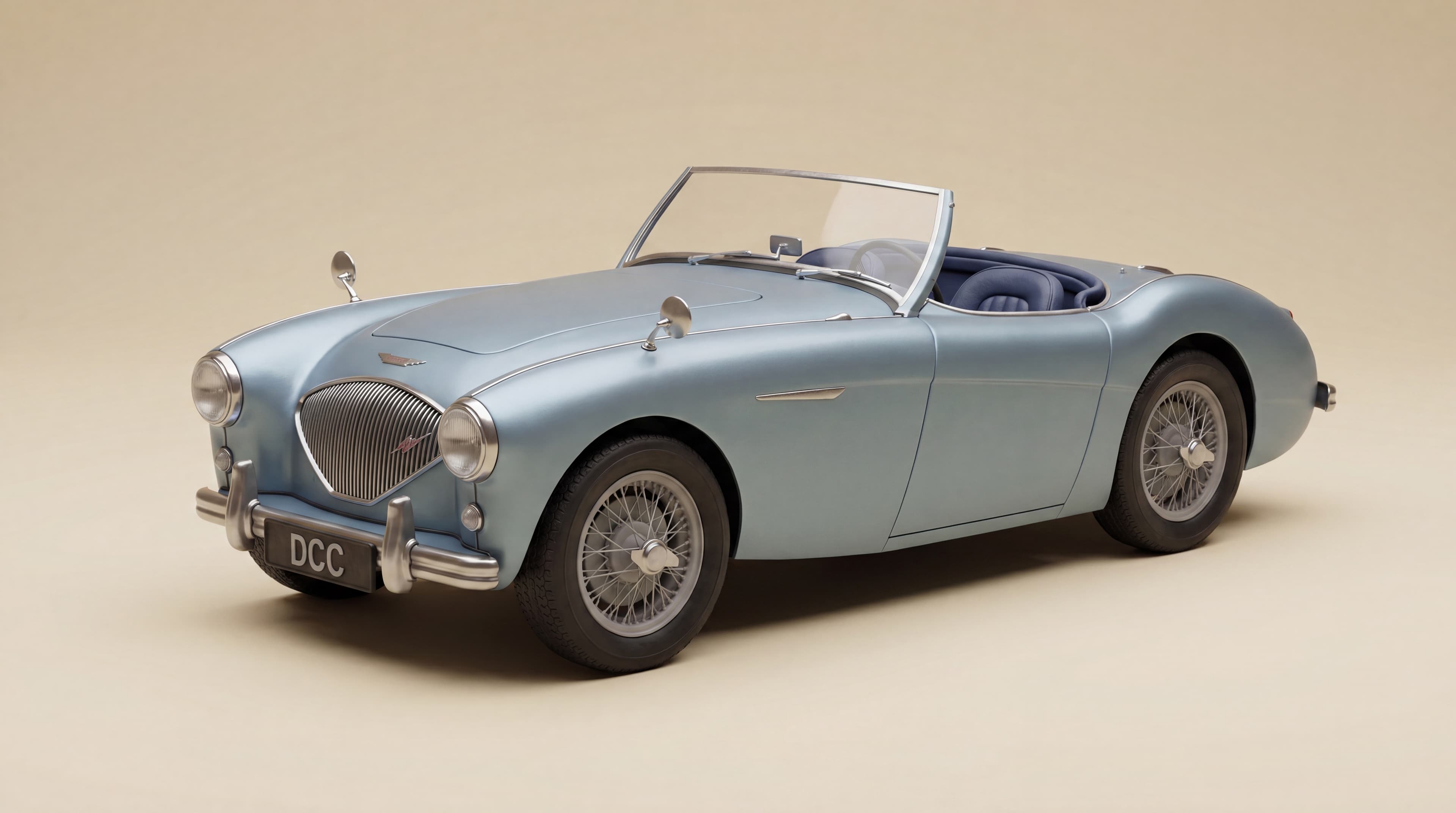
The decade Britain stopped making do and started motoring. Festival colour, A-road Sundays, and the everyman saloons that put a whole country on four wheels.
A nation moved from austerity to aspiration in ten short years. These are the milestones that shaped the cars — and the people who drove them.
Petrol rationing abolished — 26 May. Britain starts to breathe.
Festival of Britain opens on the South Bank — 8.5 million visitors, a nation reimagined.
The everyman saloon hits its stride. A-road Britain at the wheel.
Food rationing ends. The last wartime restriction lifts.
ITV launches — Britain gets a second channel and consumer choice.
"You've never had it so good." Macmillan captures the mood — 20 July, Bedford.
Preston Bypass opens — Britain's first motorway. 5 December.
The M1 opens. And a packaging revolution called the Mini arrives — 26 August.
The fifties began with rationing and a steel shortage and the order to export or die— Britain built the cars, but you were lucky to buy one. By the end of the decade the petrol was flowing, the never-never was paying for it, the Preston Bypass had opened, and a Prime Minister was telling everyone they’d never had it so good.
The cars tell that story better than anyone. The Morris Minor became the first British car to a million — honest, friendly, the safest “this is Britain” car there is. The Popular was the cheapest new car you could buy, sun visors extra. And above the everyday traffic sat the glamour: a Jaguar XK timed at 126 mph, big Healeys built for 100 mph romance, MGs sent abroad by the boatload to earn the country its keep.
This wasn’t diners and tailfins. It was Festival of Britain geometry, A-road touring, and a quiet national relief that the worst was behind us.
Two Britains, sharing the same roads. The everyman saloons that families actually owned — Minor, the small Fords, the A30 — and the roadster glamour we exported to pay for them. Both are welcome here. Both earned their place.
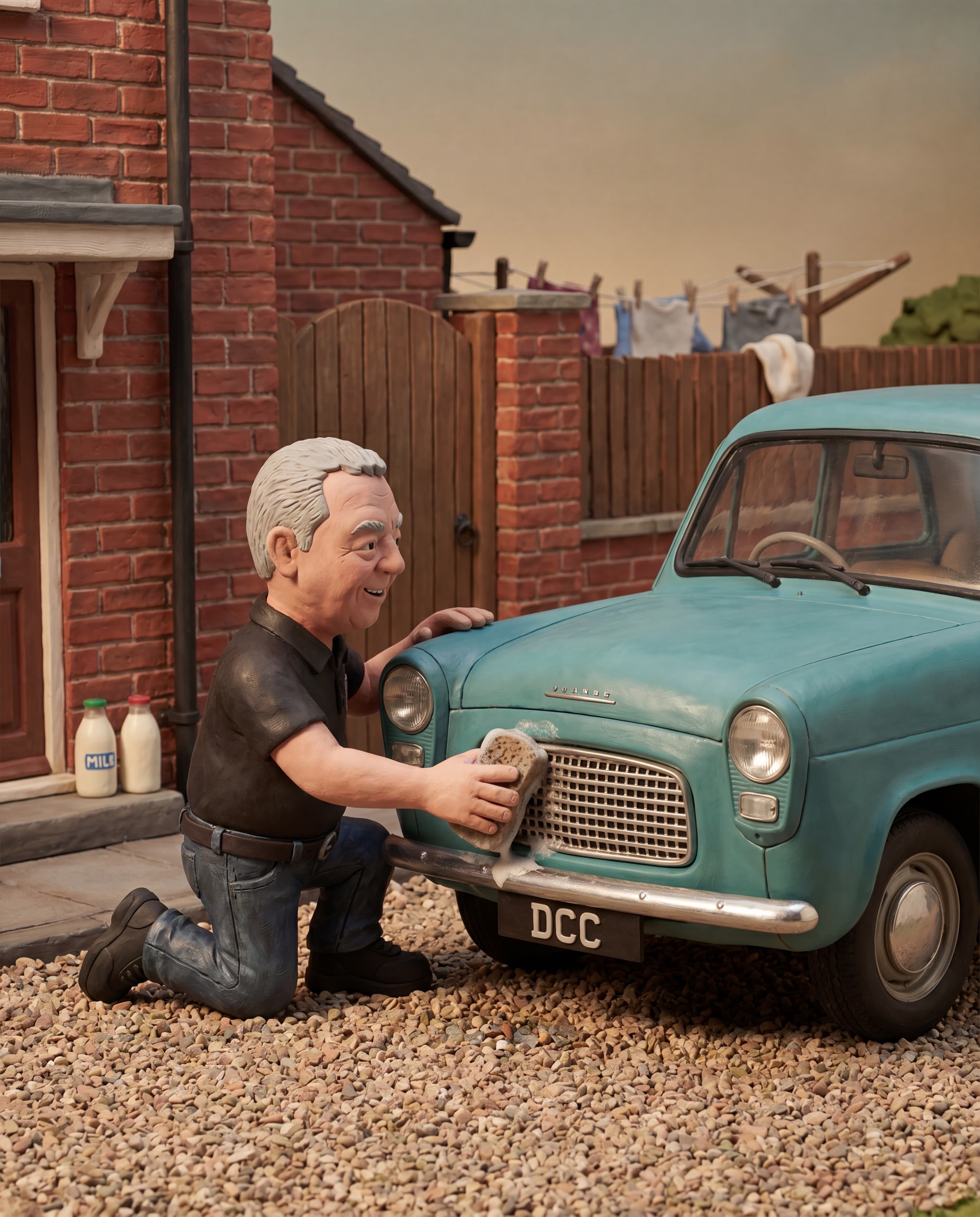
The saloons that got the country to work and back.
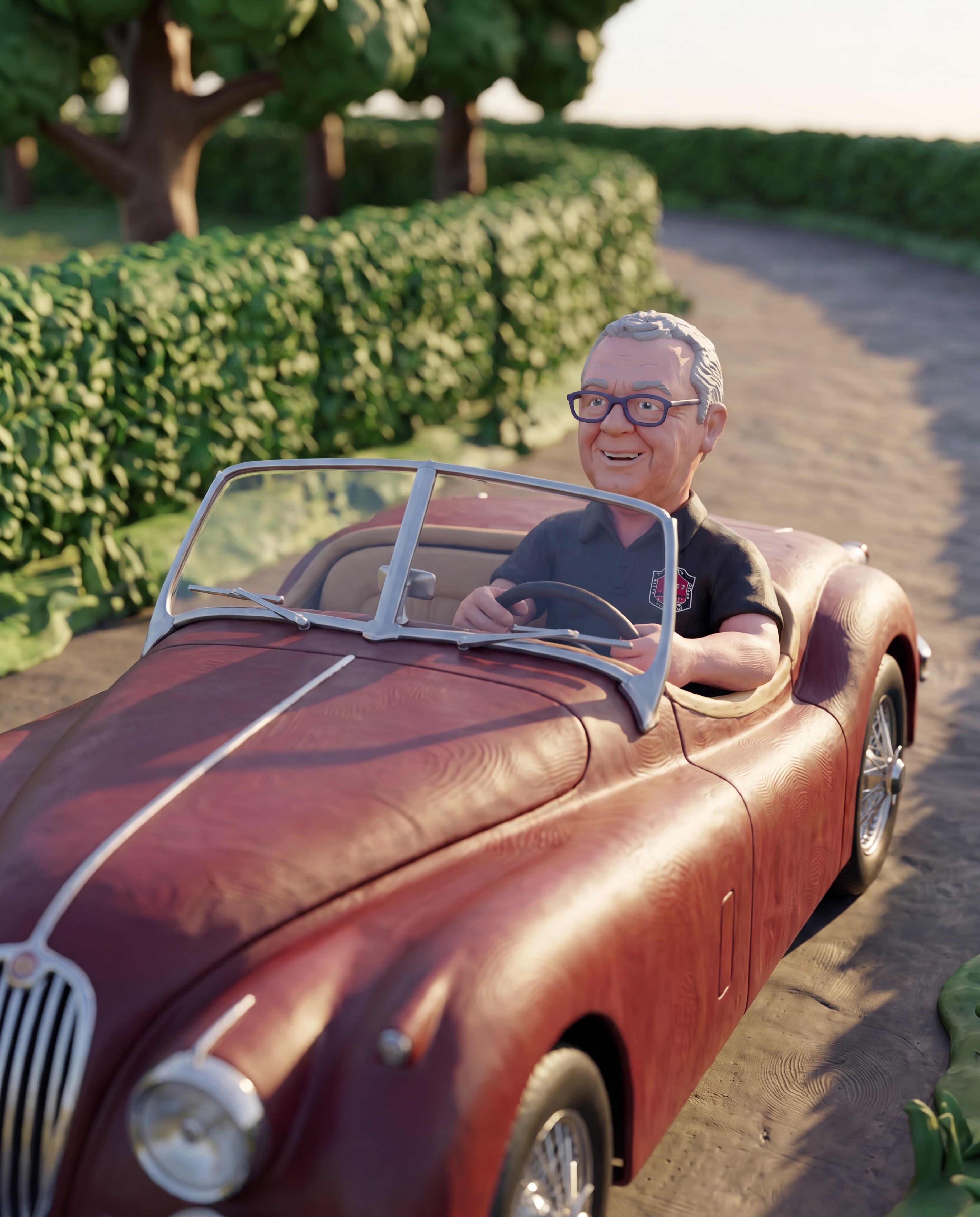
The roadsters that earned their keep abroad.
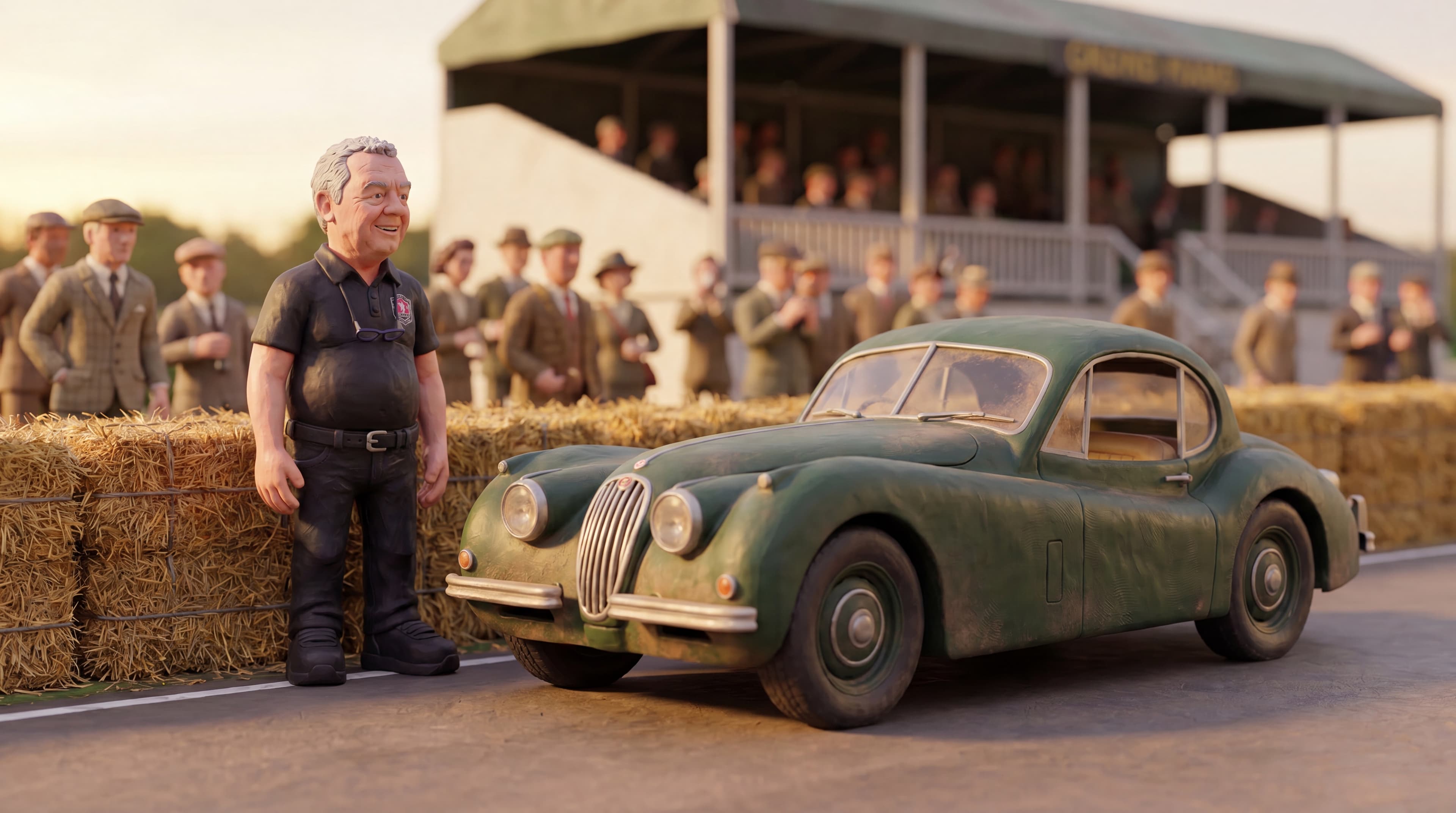
Goodwood opened in 1948 on an old wartime airfield, and for a lad mad on cars in the Fifties there was nowhere better to be. No corporate boxes — just hay bales, a length of rope, and machinery you could lean over and touch. You'd get there early, flask in the boot, and watch men in cloth caps and string-back gloves hustle XK Jaguars and Healeys round in a way that looked like hard work because it was. That's where a lot of us caught it. Not the speed, though there was plenty — the smell of it, the noise, the fact that the bloke who'd just been sideways through Madgwick was stood next to you afterwards, sleeves up, telling you what he'd have done differently. Seventy years on I still park up early. Old habits.
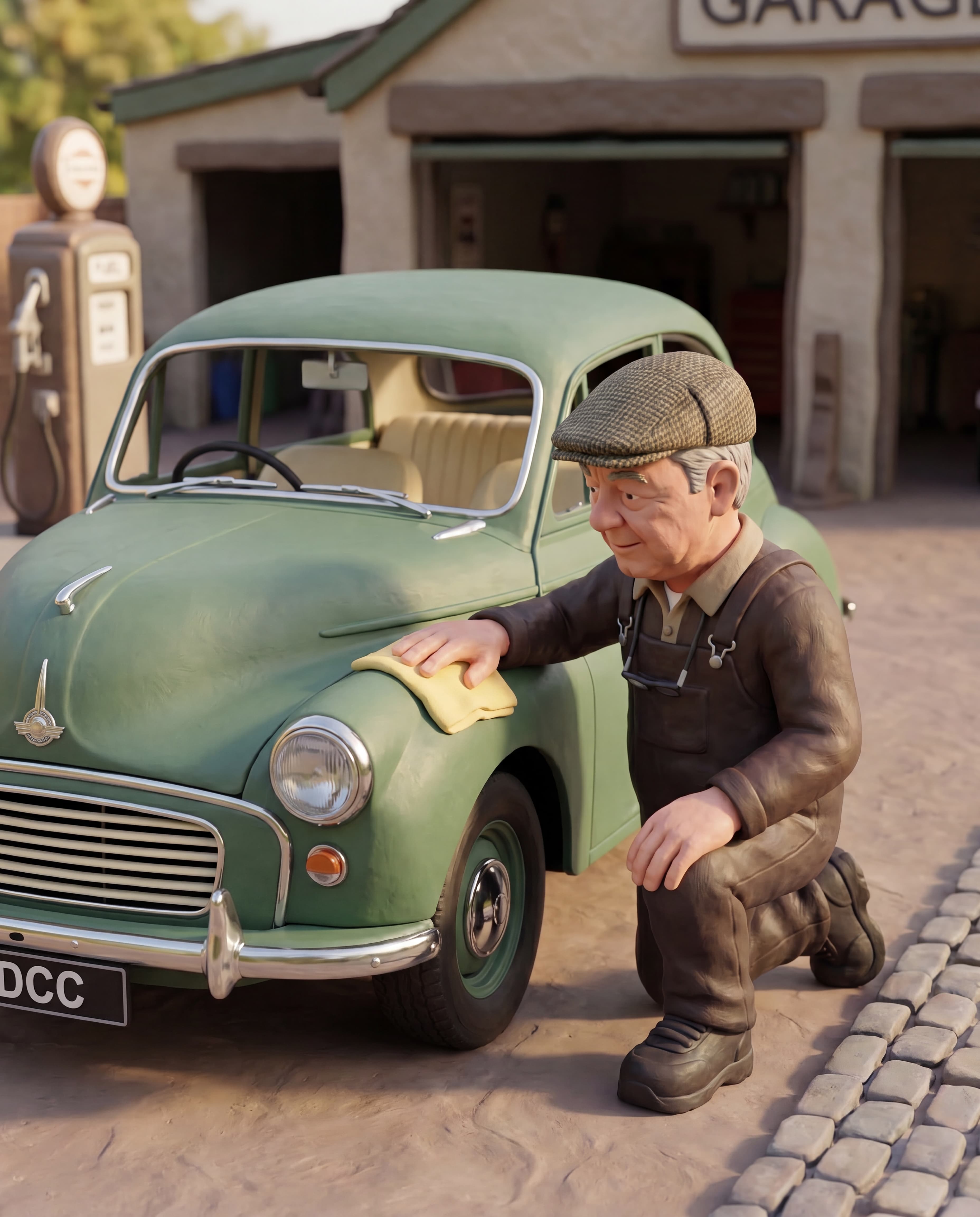
Recollections from the garage forecourt
The Morris Minor MM saloon we have here is from 1951, finished in that beautiful deep olive green. It’s got the side-valve engine — sounds like a sewing machine, but it’ll run forever on oily rag smells and a bit of hope. If you knelt down next to these wings back then, you could smell the fresh paintwork, but you'd also smell the austerity still lifting off the land. Petrol had only just come off the ration, you see.
I remember valeting one of these for the local doctor. It was his pride and joy, but it did the rounds every single day, winter or summer, down lanes that were more mud than tarmac. We didn't have fancy microfibre cloths or ceramic sprays. It was a bucket of lukewarm water, a proper chamois leather that had seen better days, and some elbow grease.
People look at the Minor now and think it's a cute little toy. But in the fifties, this was the car that put Britain on wheels. When they hit that million mark, it felt like the whole country had achieved something together. Simple, sturdy, and kept in the best possible order.
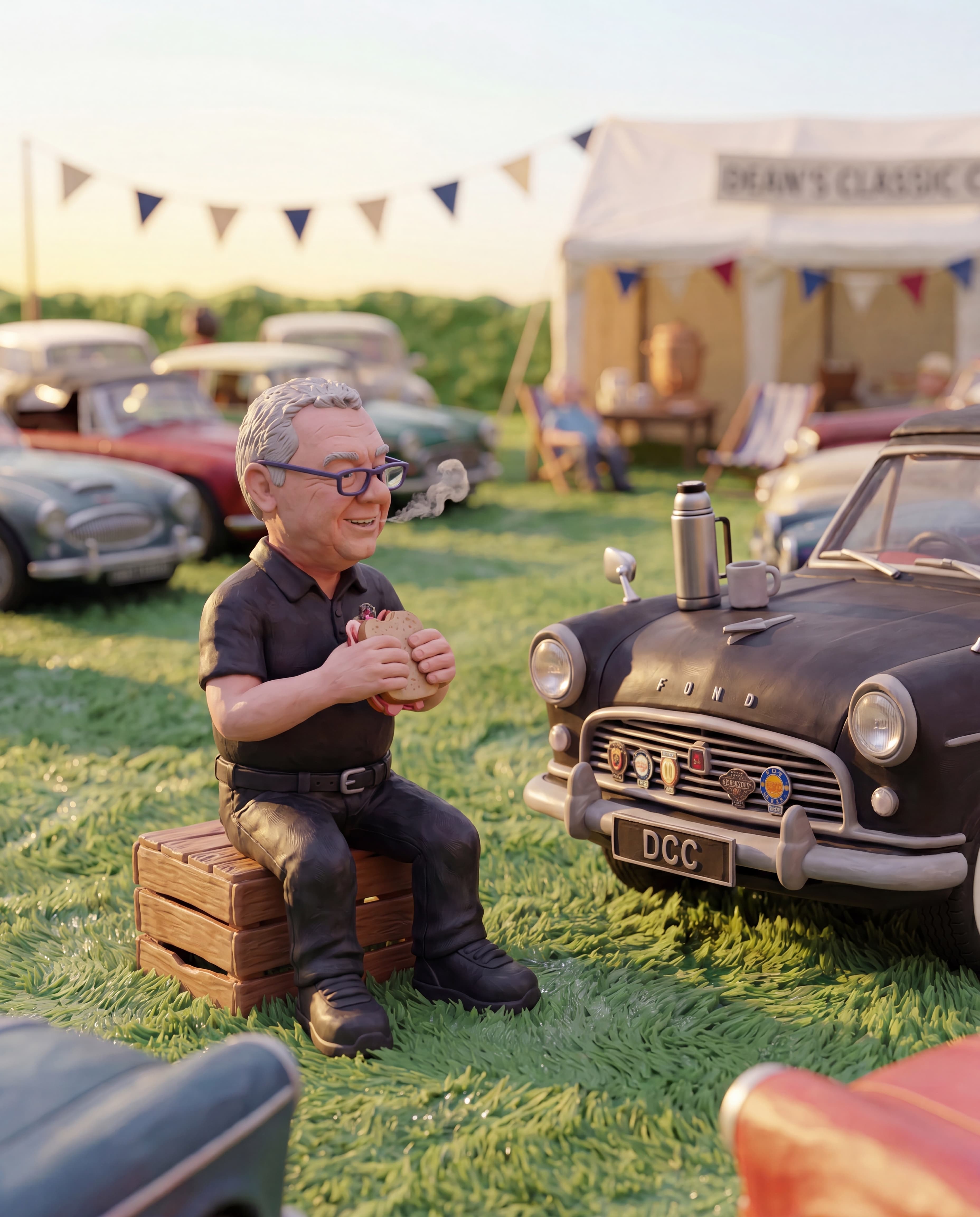
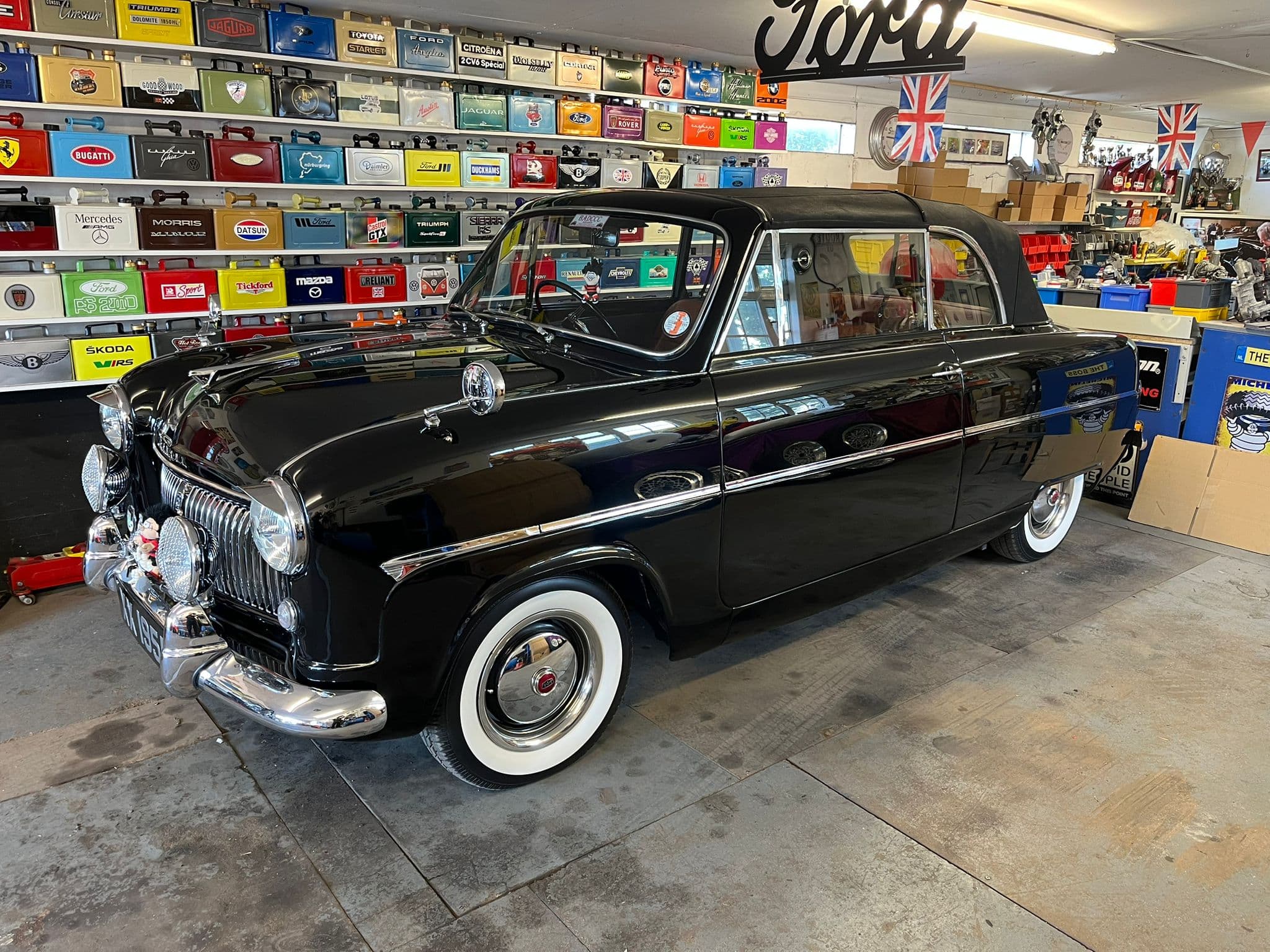
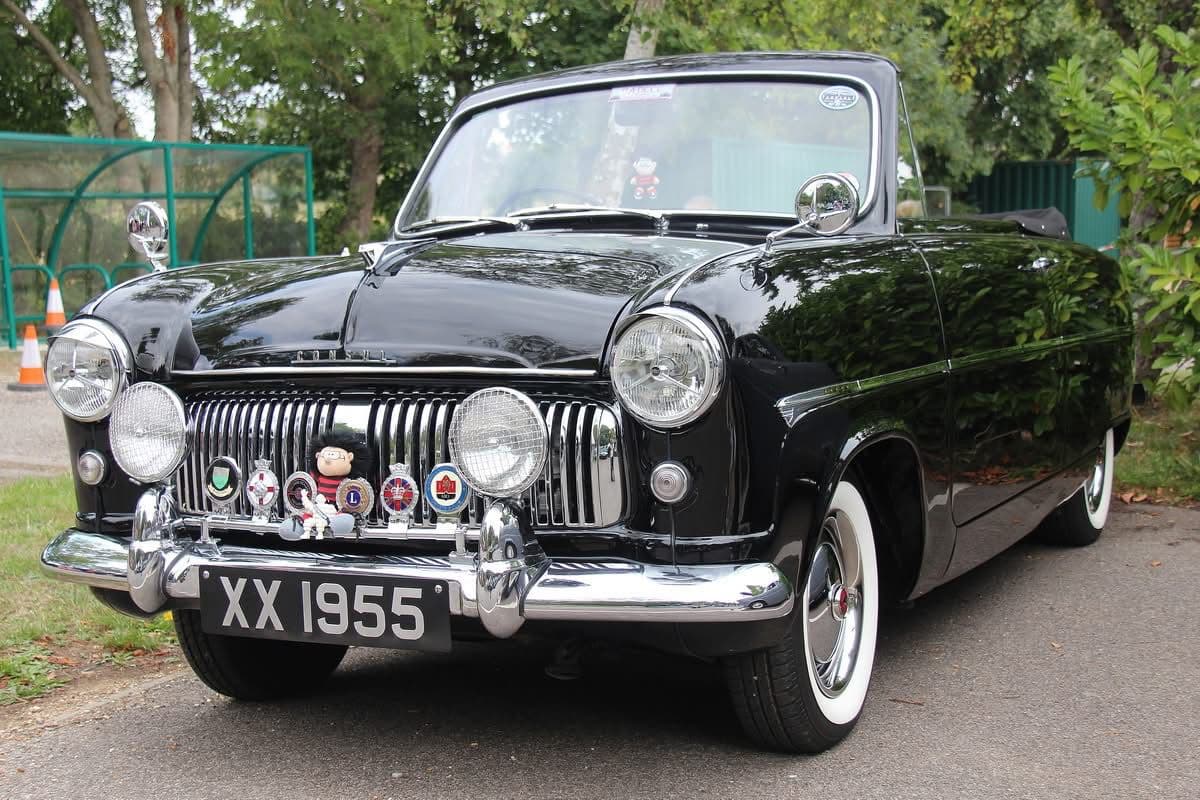
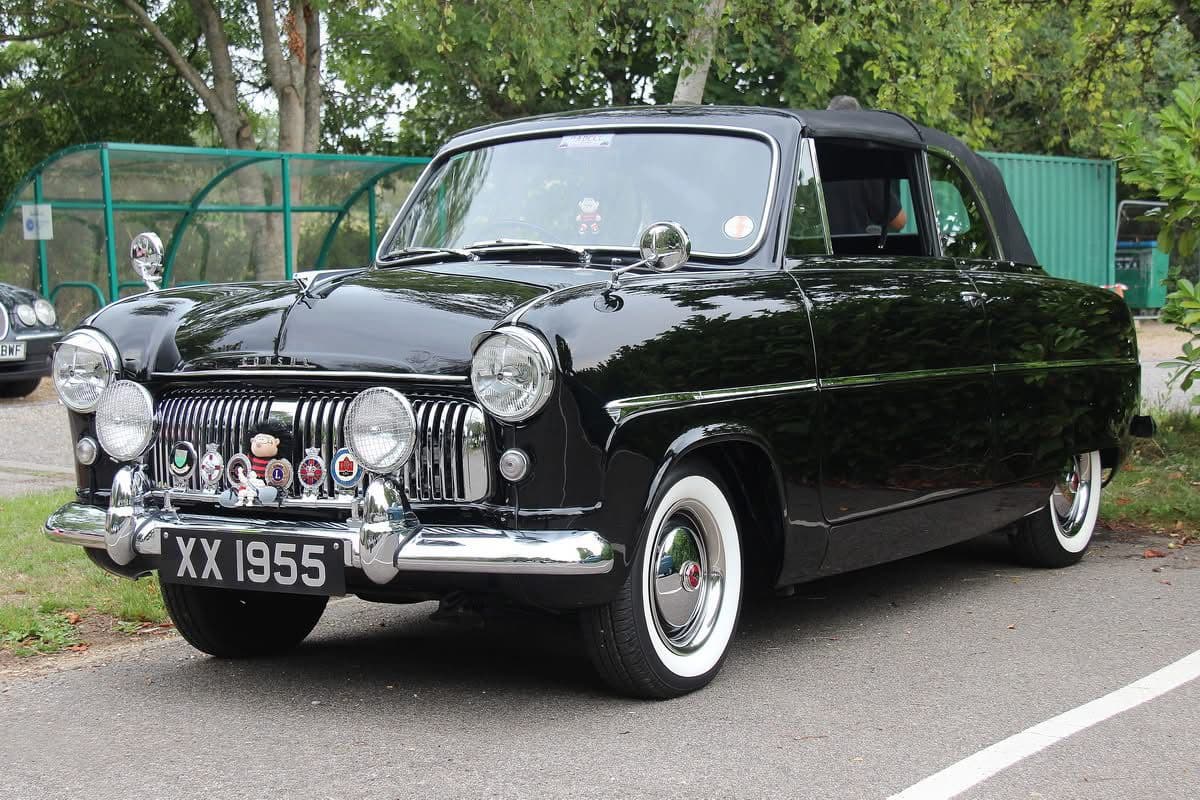
Ford Consul Mk1
This black 1955 Ford Consul convertible is mine — has been for longer than I'll admit. People ask why a man who's fussed over a thousand other people's cars drives a fairly ordinary Ford, and the answer's simple: it's the one I never sold. The Consul Mk1 was Dagenham telling Britain you could have a bit of style without being flash — three-box lines, a bench seat, a roof that folds down for the four sunny days we get. I take it to the shows not to win anything, but because that's where it belongs: parked on the grass, roof down, a flask on the bonnet and a bacon sandwich going cold while someone tells me about the one their dad had. That's the whole point of it, really.
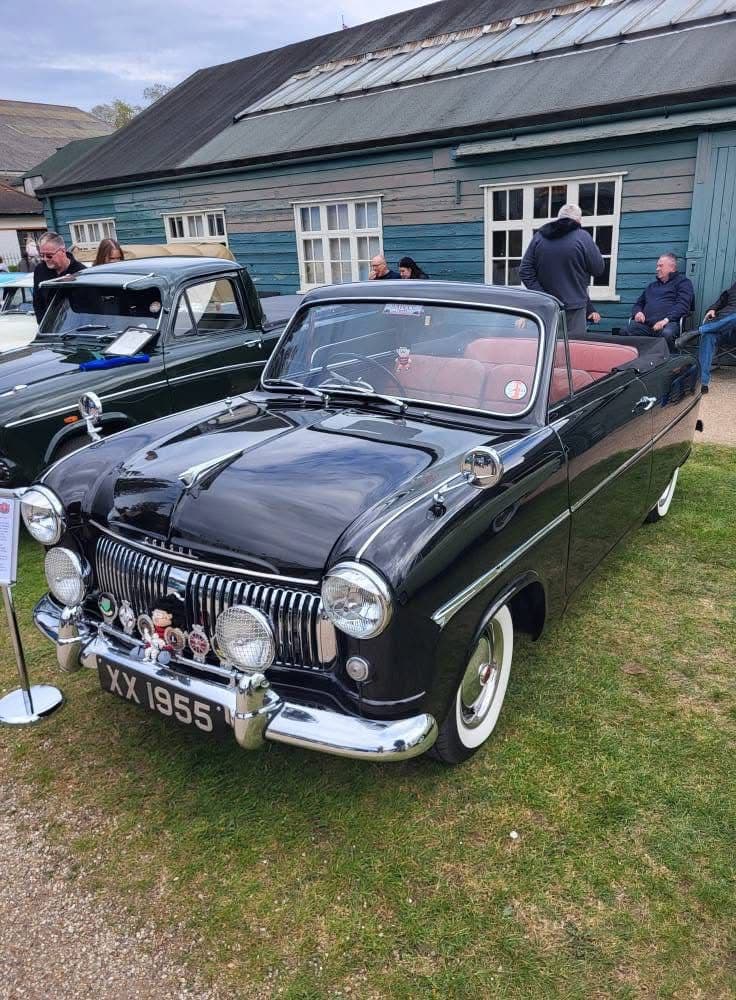
The real-world machine that stands behind the clay styling. Kept properly, run regularly, and still showing how it's done at Brooklands.
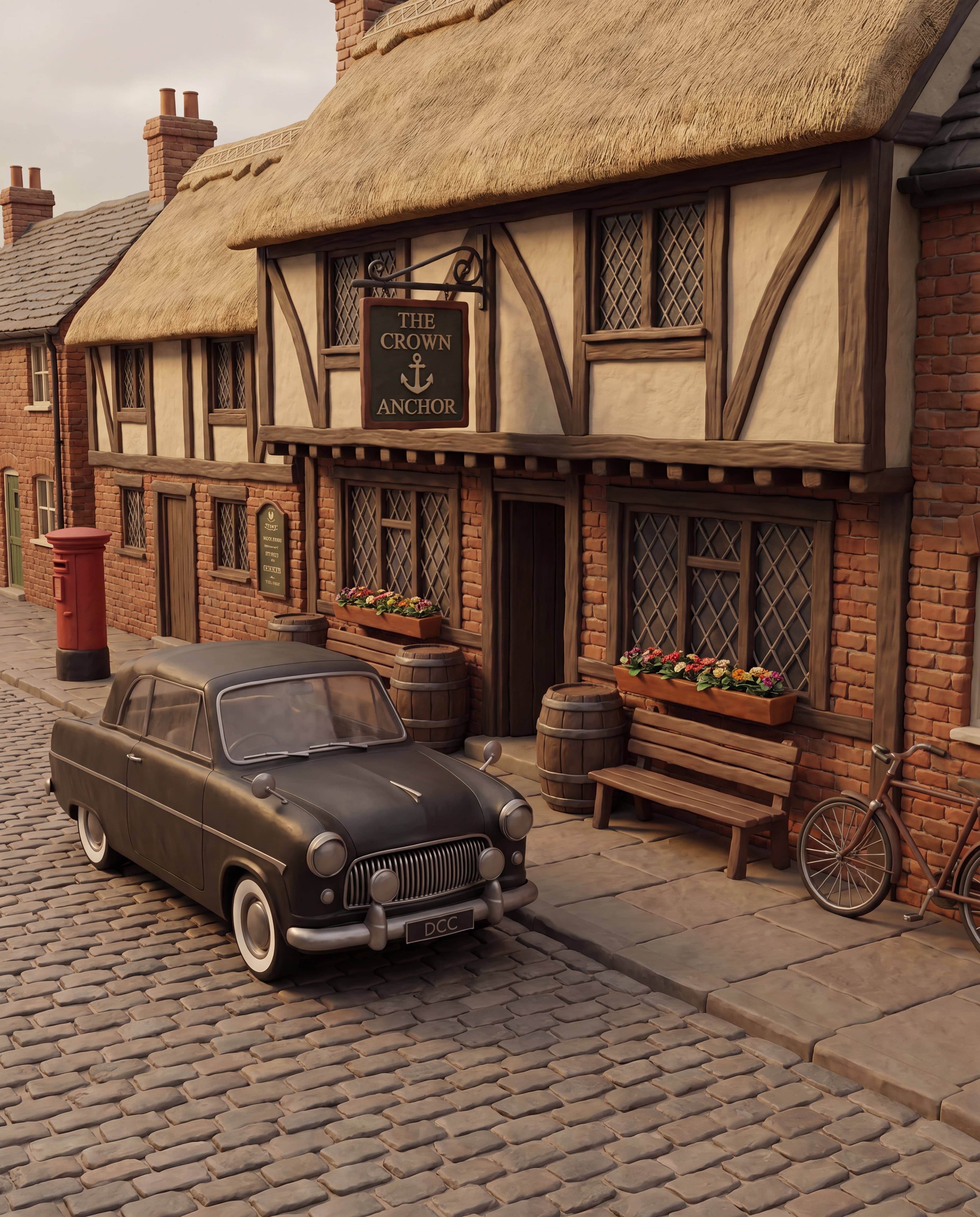
Only a handful of these Mk1 dropheads survive in running order today. Dean's Consul features the three-way convertible roof (fully closed, coupe-de-ville half-open, or completely folded back) and is powered by the honest 1508cc four-cylinder engine.
A handful of fifties designs — made to signal you know your stuff, not to shout. More to come.
Design coming soon
hoodie
Pardon the pace.
Design coming soon
sweater
The needle, sweeping past 100.
Design coming soon
hoodie
A black-and-silver plate, registration invented.
Design coming soon
sweater
Festival geometry meets a British Sunday.
Design coming soon
hoodie
The slogan that built the decade.
Design coming soon
sweater
For the timber-framed tendency.
That’s the fifties. The sixties are warming up next door — the icon decade, if you’re in a hurry.