
1970sBuild 01 / 09
Flag Series
Escort RS2000 Signal Yellow
Part of the Flag Series, from Dean's Classic Cars.
T-Shirt£34.99

1970 to 1979
Cortina Britain, rally-bred Escorts, and a trim badge on the boot that said exactly where you sat.
A decade shaped by inflation, strikes, and the badge on the boot. These are the milestones that defined seventies motoring.
The Range Rover launches on 17 June: a working vehicle that cleans up for dinner.
Decimalisation arrives on 15 February. Britain counts in new pence.
The Mk III Cortina becomes Britain’s best-selling car. The company-car king takes the throne.
Oil crisis. A temporary 50 mph limit, even on motorways, and big engines go out of fashion overnight.
The three-day week. Britain works by candlelight and saves its petrol.
The Mk2 Escort arrives. Square-cut, rear-wheel drive, and soon a rally legend.
The long hot summer. Britain melts; standpipes in the street.
Silver Jubilee. Street parties and special-edition everything.
The Winter of Discontent begins. The decade gets serious.
A small German hatchback arrives and rewrites the rules: the Golf GTI.
The seventies ran on the company car. With wages capped and inflation biting, the car you were given mattered more than the money you weren’t, and the badge on the boot (L, XL, GT, GXL, Ghia) told the whole street where you stood. The Cortina was the national uniform; the Escort was the same idea with a rally pedigree bolted on.
It was a decade of clever underdogs, too. A sixteen-valve head in a family saloon. A luxury car that could climb out of a field. Permanent four-wheel drive nobody else had thought worth the bother. British Leyland was on strike more often than not, the oil crisis put the big engines out of fashion overnight, and somehow the cars got more interesting for it.
Then, in the very last summer of the decade, a small German hatchback arrived and quietly rewrote the rules for everyone.
The rep’s chariot did the miles and the motorway; the weekend stuff did the talking. Cortinas and Escorts kept Britain at work, while the Capri, the Stag and a brand-new sort of Range Rover kept the dream parked on the drive.
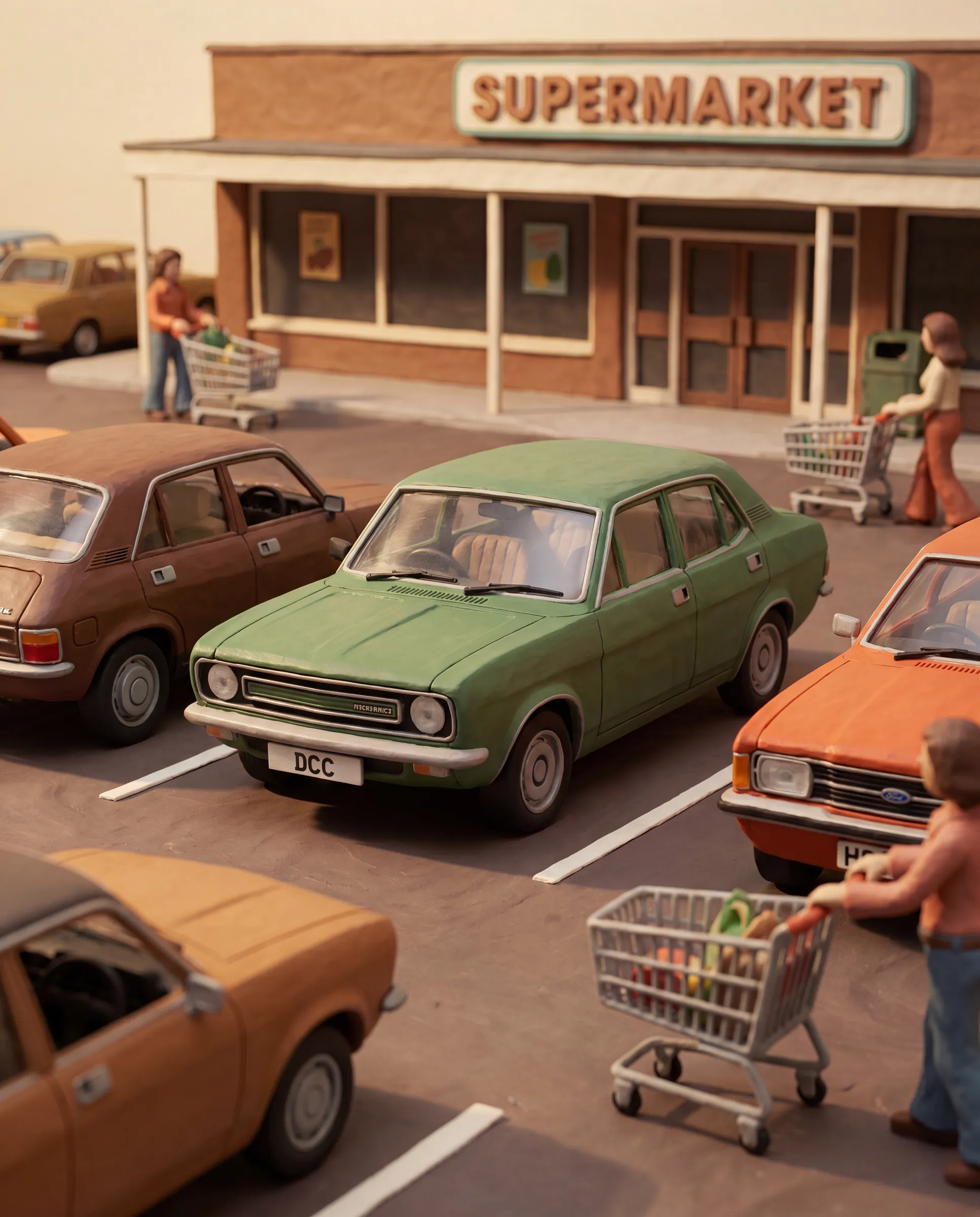
The saloons and hatches that filled the fleet car parks.
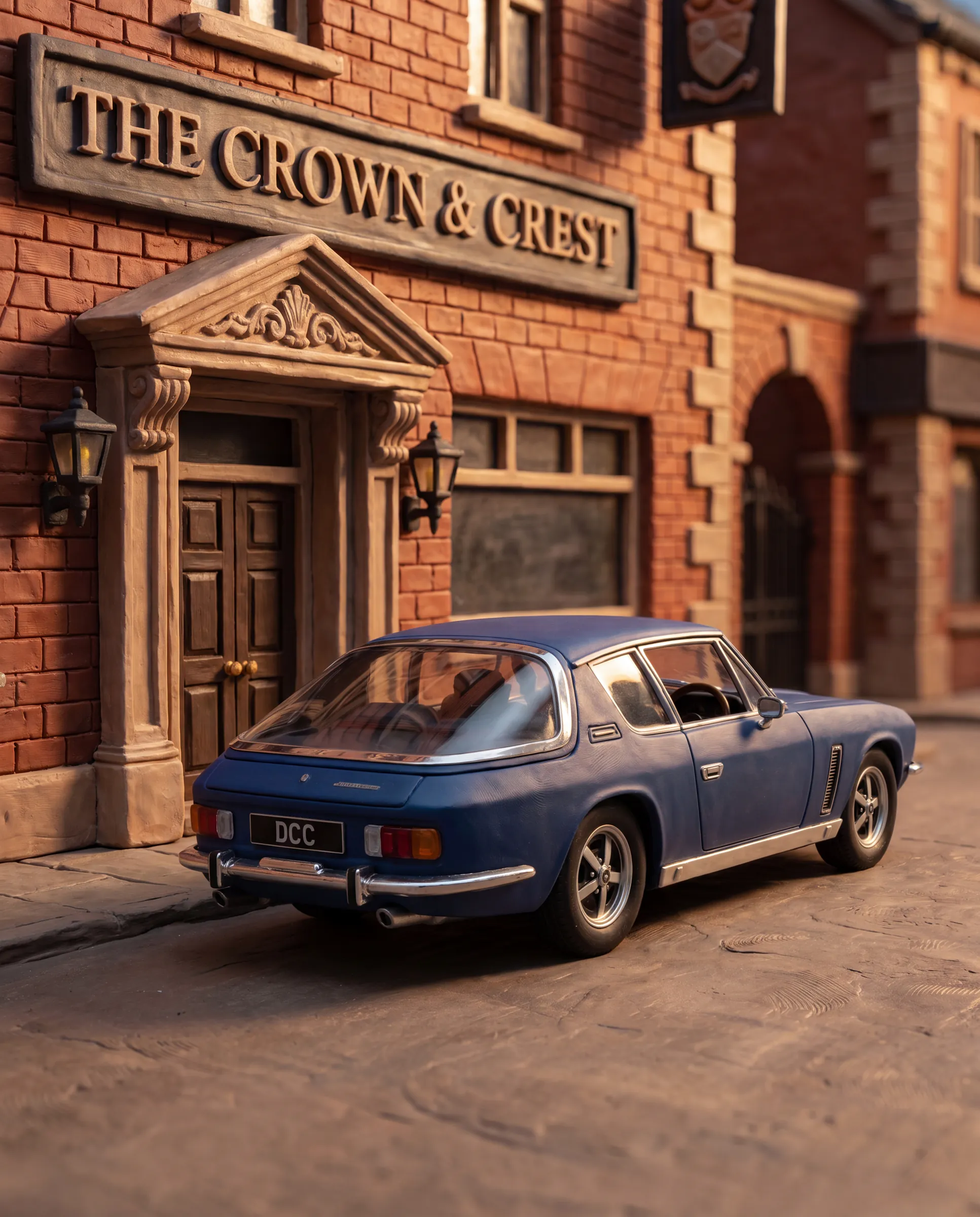
The coupés, the convertibles and the car that invented the luxury 4x4.
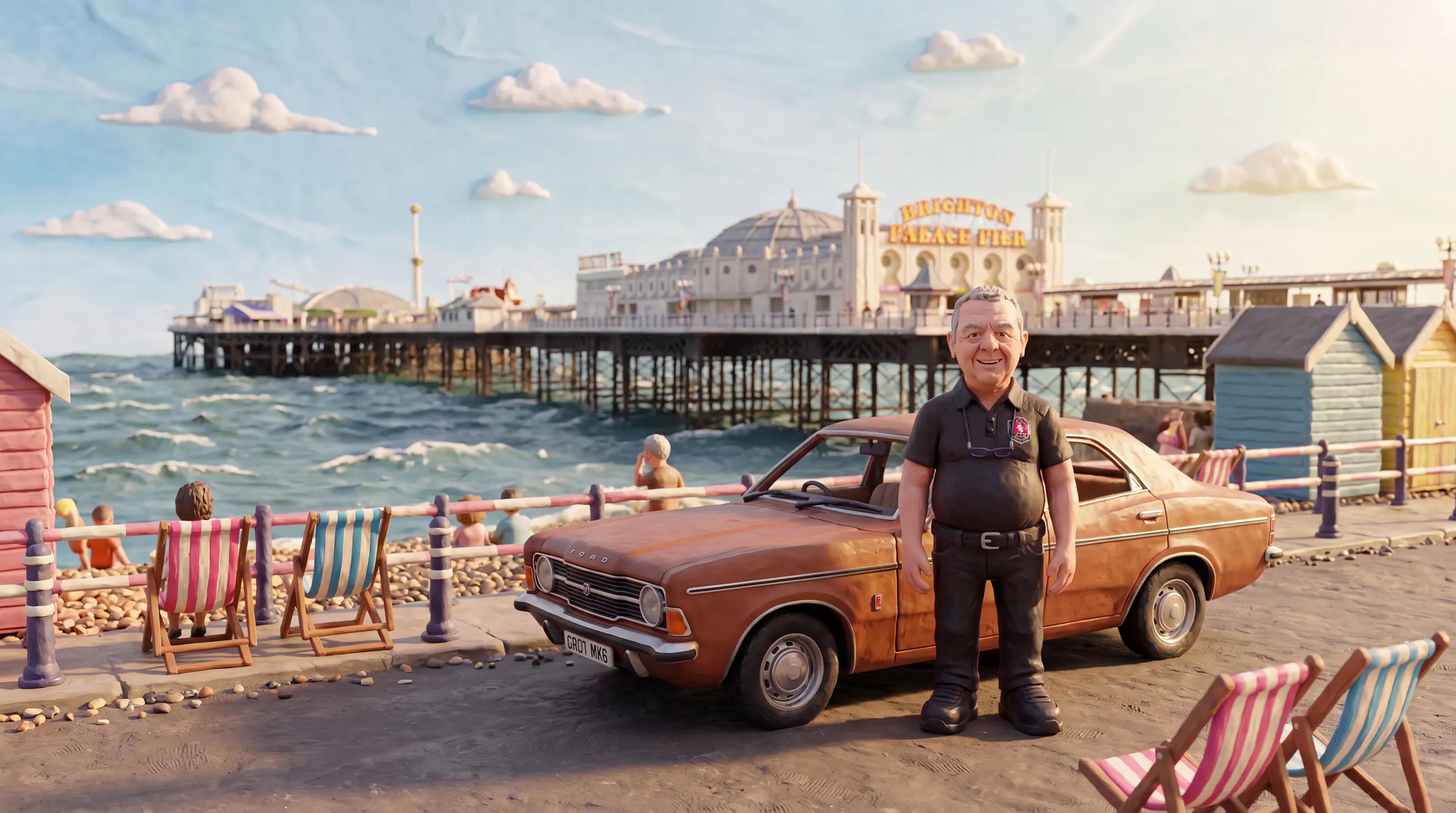
By the Seventies the car wasn't a luxury any more. It was how the country had a day out. And the day out, more often than not, was Brighton. You'd load the family into a Cortina on a Sunday, windows down, and join the long bright crawl along the front with the Palace Pier shining at the end of it. Deckchairs, a stick of rock, the smell of frying onions. The cars on that promenade were the ordinary heroes: Cortinas, Marinas, the odd Capri trying its luck, all parked nose-to-rail, looking at the sea like everyone else. It wasn't glamorous and it didn't need to be. It was a nation that had finally got mobile, parked up by the water on a breezy afternoon, perfectly happy. Some of the best motoring I ever did was going nowhere in particular.
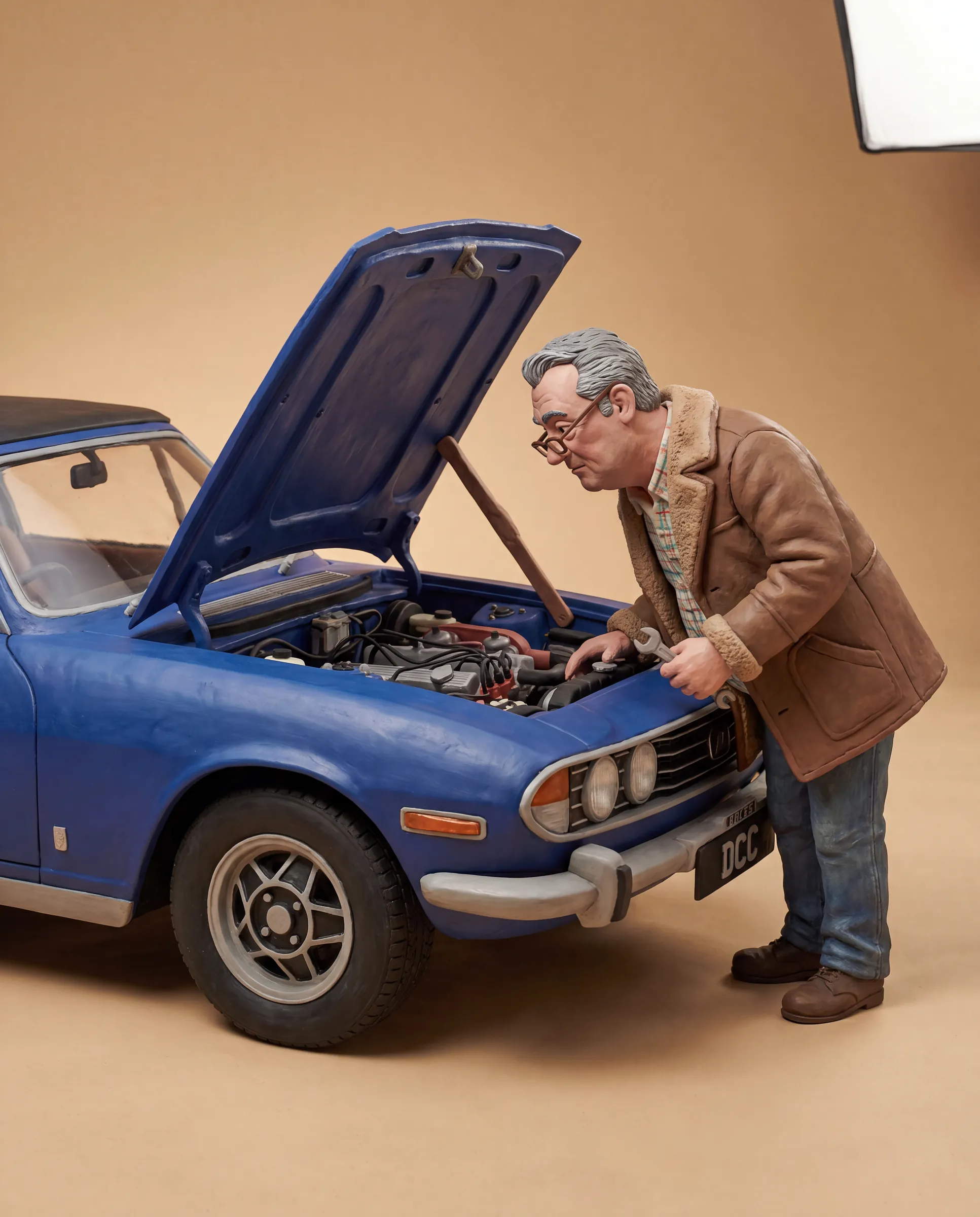
A Triumph Stag in the workshop
The sapphire blue 1972 Triumph Stag represents the peak of seventies grand touring romance. With its Italian styling by Michelotti and a lovely, rumbling V8 engine, it was a magnificent thing when it was running right. But as anyone who lived through the seventies will tell you, they kept you busy under the bonnet.
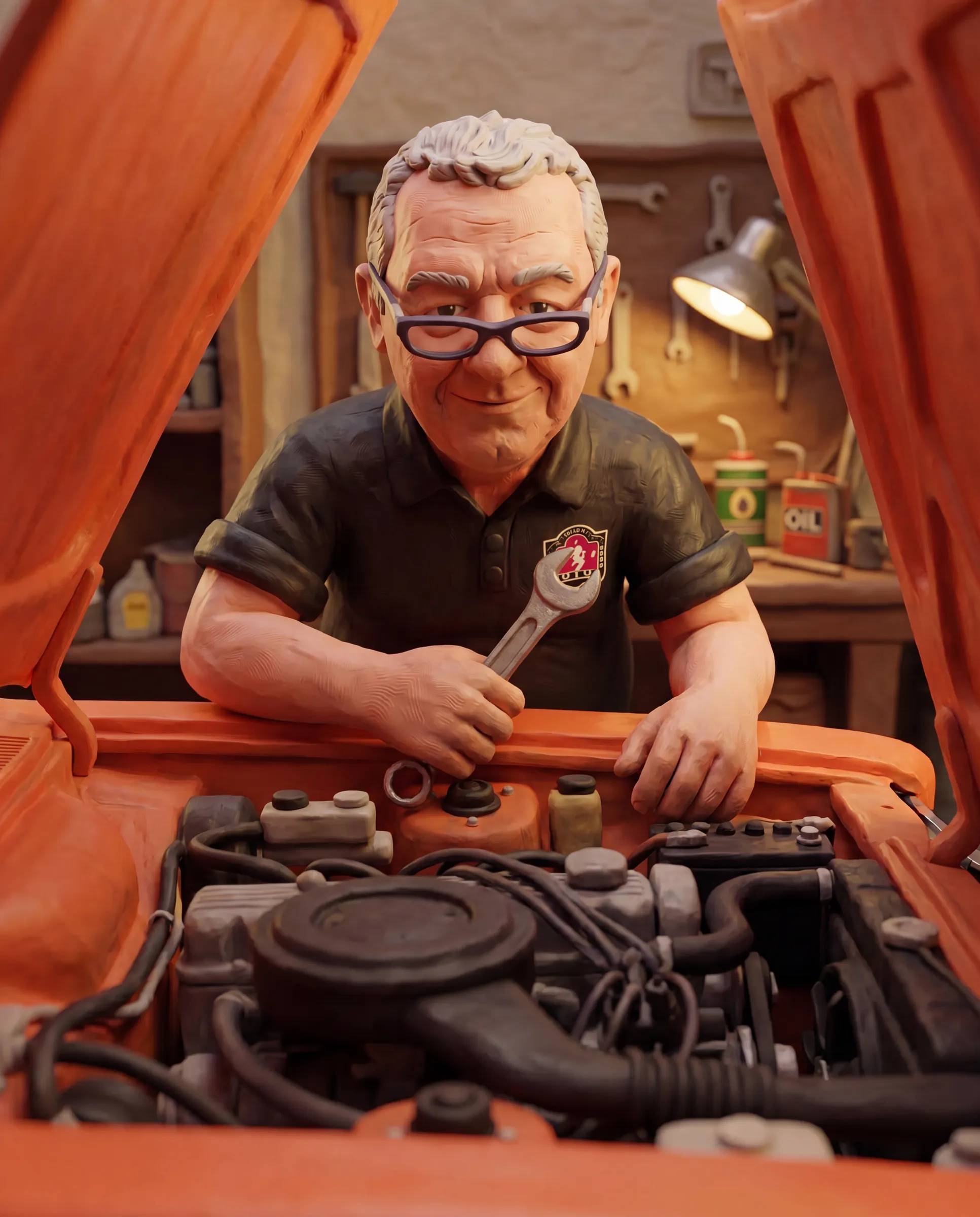
It’s close work, and you want your reading glasses on for it. The engine bay is tight, packed with hoses and ignition leads, and that V8 was notoriously fussy about cooling. Get the ignition timing just right, keep an eye on the temperature gauge, and it pays you back.
It was a decade of work and worry: industrial disputes, hard winters, and rust that seemed to start the minute the car left the showroom. But get that V8 singing, lift the hard top off or fold the hood down on a crisp Sunday morning, and all of that is forgotten. The T-bar stays where it is; it’s part of the body. Worth every single hour of graft.
Ford Cortina Mk3
If the Seventies had a company car park, half of it was Cortinas. The Mk3 was the one that went a bit American: the coke-bottle hips, the big soft seats, a dashboard that fancied itself. Reps lived in them, families holidayed in them, and on a Saturday a lad with a bit of ambition washed his under the streetlight and called it a GXL. I spent a fair few cold mornings under one of these bonnets. The engines were honest and the rust was honester, but there was nothing on a British road that said "ordinary made good" quite like a clean Cortina. Get one running sweet and it'd ask for nothing but oil and attention. That's my kind of car: no airs, just graft and a bit of pride.
Where to next?
Or stay in the 70s: its designs are just below.
Nine designs from the seventies: five Flag Series, and four Neon Car Meets. Hoodie, two weights of sweatshirt, or a tee.
Flag Series
Part of the Flag Series, from Dean's Classic Cars.

Flag Series
Part of the Flag Series, from Dean's Classic Cars.

Flag Series
Part of the Flag Series, from Dean's Classic Cars.


Flag Series
Part of the Flag Series, from Dean's Classic Cars.

Neon Car Meets
Part of the Neon Car Meets line, from Dean's Classic Cars.

Neon Car Meets
Part of the Neon Car Meets line, from Dean's Classic Cars.

Neon Car Meets
Part of the Neon Car Meets line, from Dean's Classic Cars.

Neon Car Meets
Part of the Neon Car Meets line, from Dean's Classic Cars.
Buy opens our store, ricki-robin.store, in a new tab.
That’s the seventies, browner and funnier than you remember. The eighties are warming the turbo up next door.
Waiting for you in the 1980s


