1960sPreview — design coming soon
Design coming soon
hoodie
Doing the Ton
The needle, sweeping past 100.
£60.00Coming soon
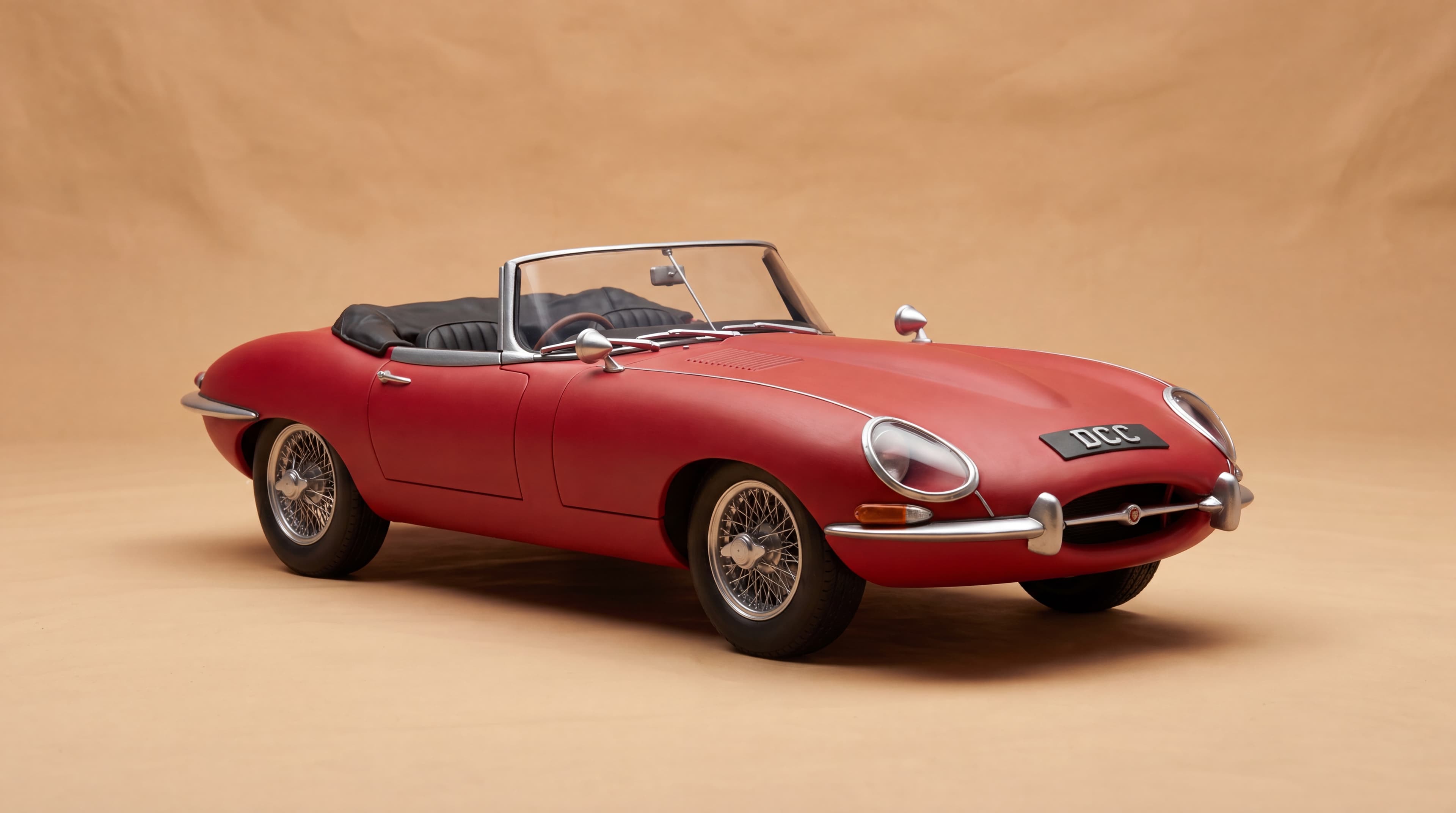
From the Mini to the E-Type — the ten years British design set the template and everyone else copied it. Saloon racing on Sundays, a fresh letter on every number plate, and optimism fitted as standard.
The decade Britain got modern — sideways engines, saloon racing, and optimism fitted as standard.
The suffix letter arrives on number plates — a new car, a new registration, every August.
The E-Type launches at Geneva — 132 mph for the price of a house. The world notices.
The 1100/1300 arrives — Issigonis’s packaging trick scaled up for the family.
The Beeching Report reshapes the railways. If you want to go anywhere, you need a car.
A Labour government and the “white heat of technology.” Optimism in overdrive.
The 70 mph limit arrives on motorways. It was supposed to be temporary.
England wins the World Cup. A nation celebrates in traffic.
The breathalyser arrives — 1 October. The pub car park starts to thin out.
The suffix plate rolls to ‘F.’ Number-plate spotting becomes a national hobby.
Concorde flies, men walk on the moon, and the decade runs out of road.
If the fifties got Britain motoring, the sixties got it modern. The M1 had opened with no speed limit, National Service was gone, and by mid-decade roughly two in five people were under twenty-five with money to spend. The car stopped being transport and started being identity.
The engineering led the way. Issigonis turned the engine sideways, freed up the floor, and the Mini became the small-car template the whole world borrowed. The 1100/1300 made that cleverness family-sized and sold by the hundred thousand. Above the everyday traffic sat the glamour — an E-Type doing the kind of speed that cost ten times as much in Italian, a Mark 2 that was equally popular with bank managers and the men who robbed them.
And it raced on Sundays. A family saloon, a bold number on the door, giant-killing on the touring grids — then back to the school run on Monday.
Two Britains on the same roads again — but quicker this time. The saloons that families actually bought and raced at weekends, and the roadsters the rest of the world fell for. The decade had room for both, and so do we.
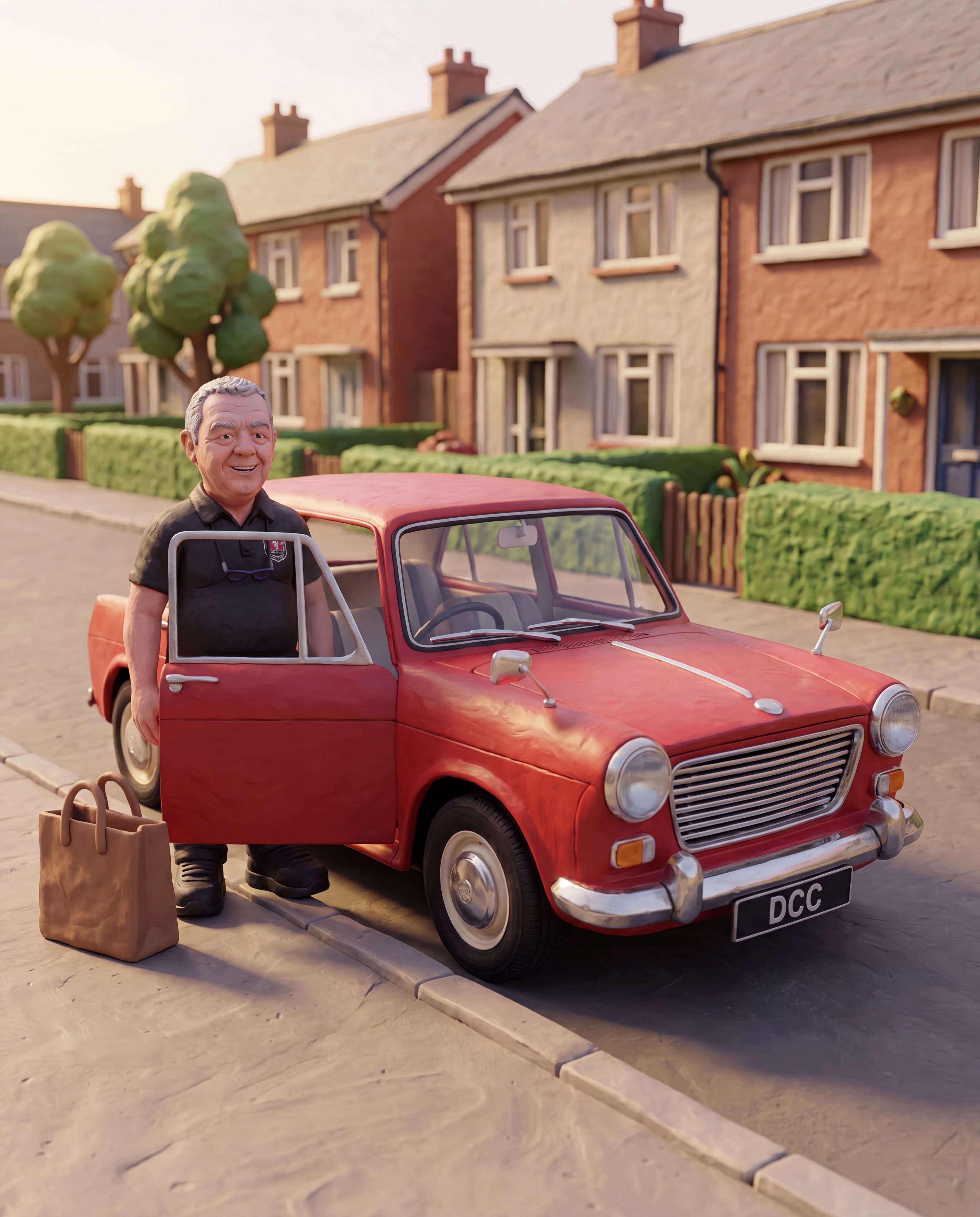
The saloons that topped the charts and the touring grids.
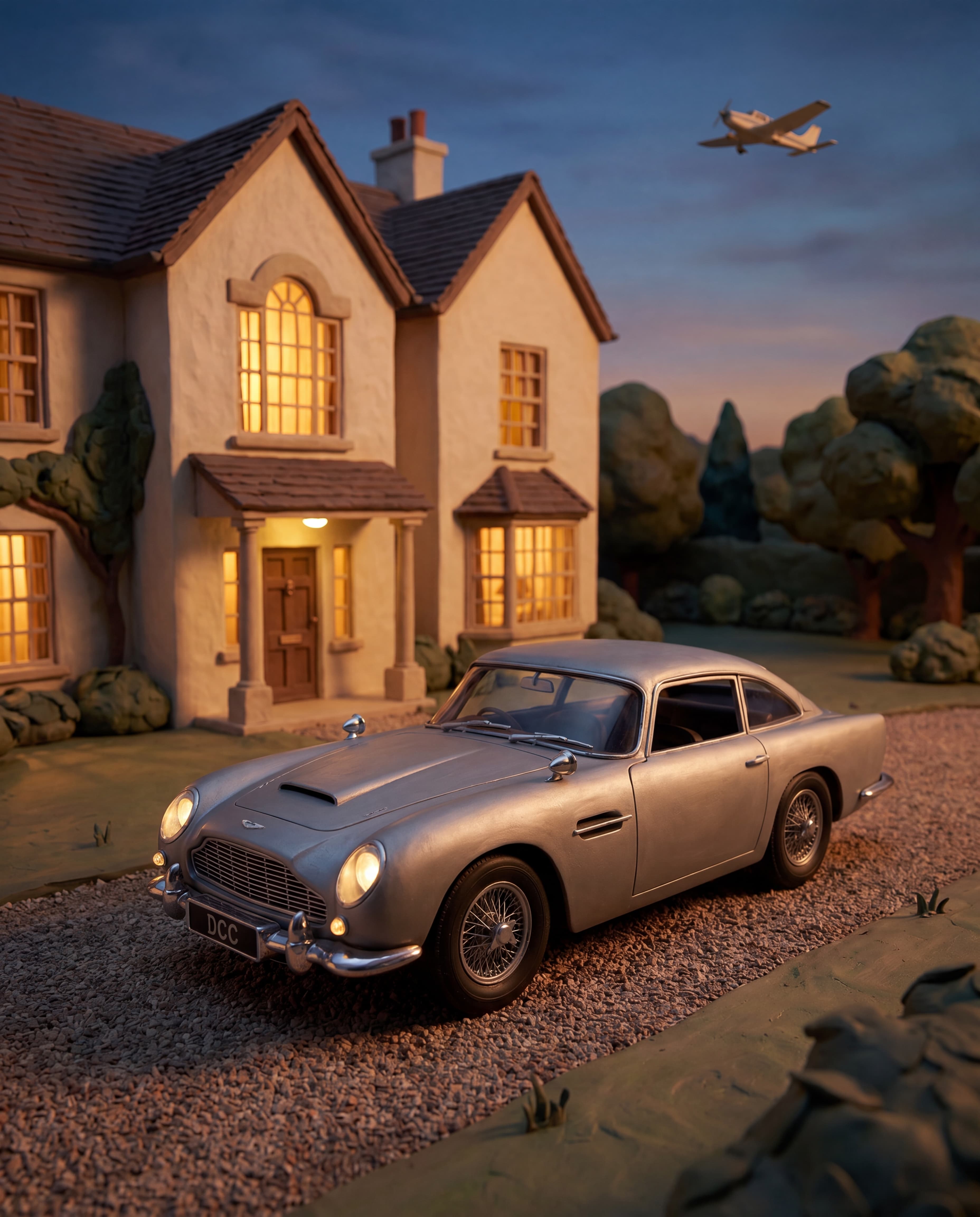
The roadsters and the coupés that made the magazines.
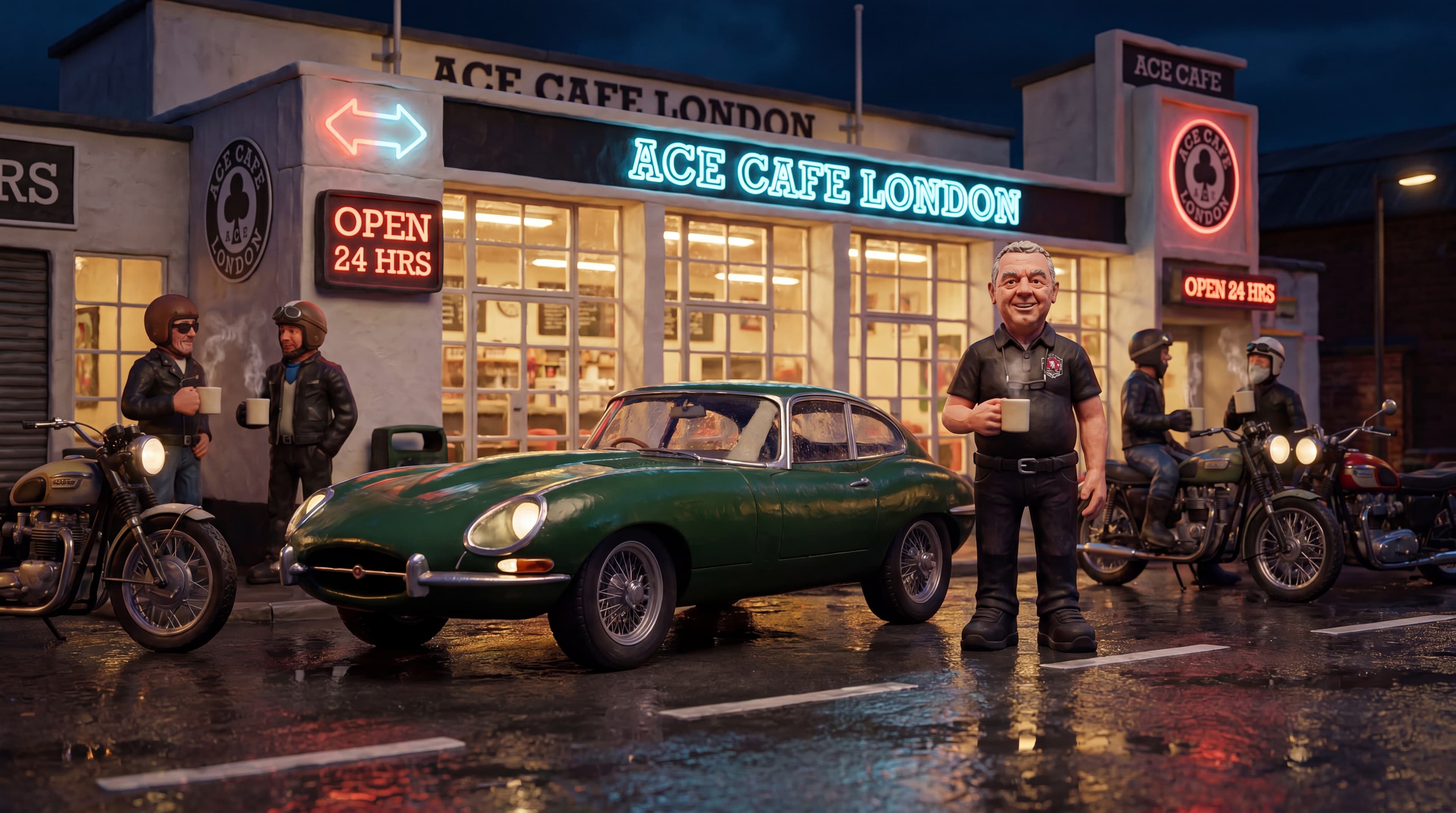
The Ace Cafe sat on the North Circular, and in the Sixties it was the centre of the universe if you were young and your engine was warm. It started as a transport caff — open all hours, which is the whole point when you've nowhere else to be at midnight. The legend's mostly motorbikes, the record-racers timing themselves to the end of a stretch and back. But the cars came too, and nothing turned a head on that forecourt like an E-Type pulling in under the lights, all bonnet and bravado. Tea, chips, an argument about who was quickest, then back out into the wet with the streetlights smeared across the tarmac. It's the decade in one car park: loud, skint, and absolutely certain it was the best place on earth. It was.
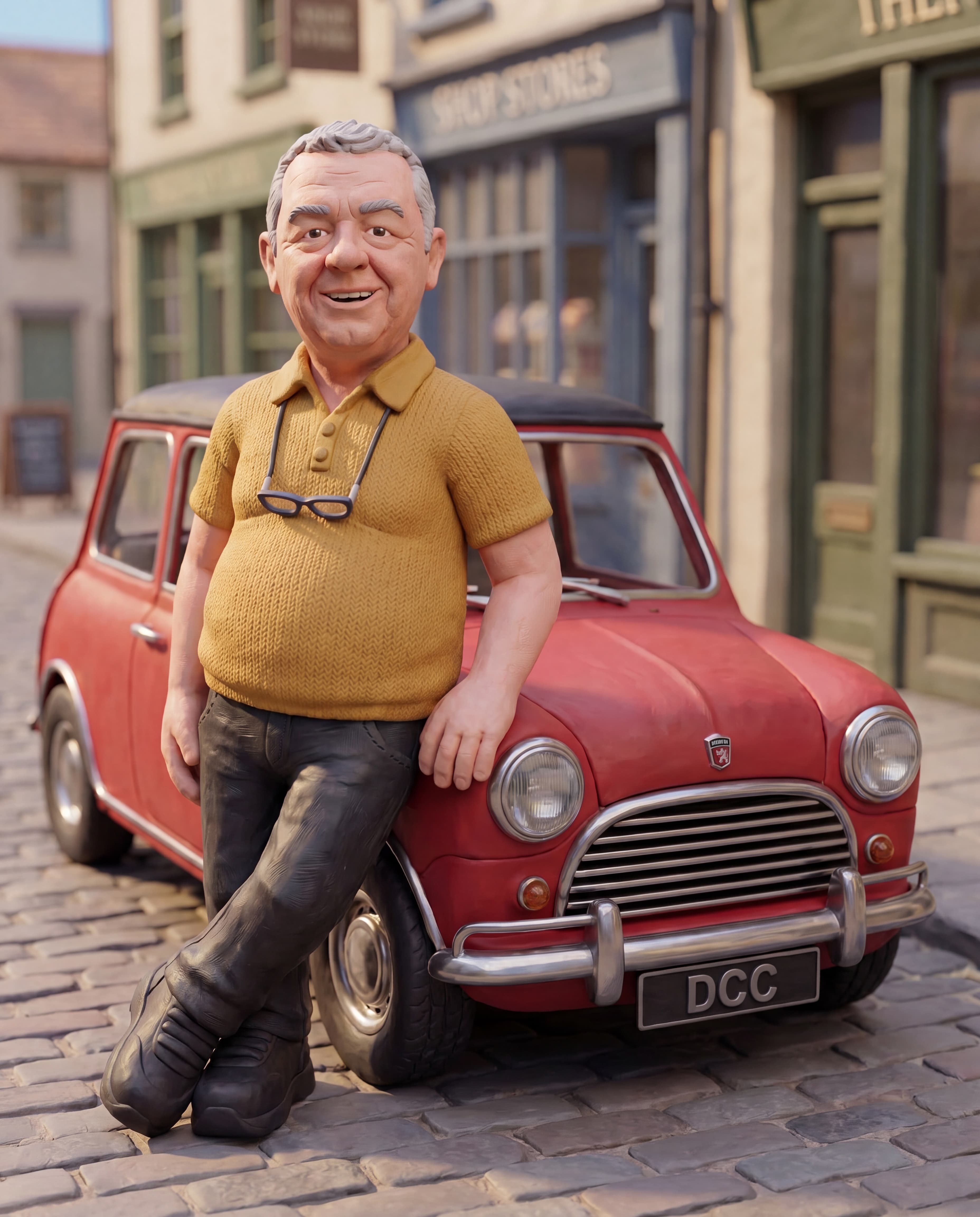
Recollections of a Mini on the street
The red 1964 Mini Cooper S with its contrasting black roof is a pure sixties design. Small, punchy, and completely boxy. By the time this model came along, the Mini wasn't just a clever bit of packing by Issigonis — it was a fashion statement. You’d see them zipped through the London streets, driven by mods, actors, and racers alike.
I remember sitting in the local café, wearing a sharp mustard knit polo and watching these cars fly past. You could park them on a sixpence, and they handled like nothing else on the road — just like a go-kart. When you leaned on that thin front wing, it felt light but incredibly well thought out.
The sixties were all about mod tailoring and A-road manners. Everything was changing, and the cars were leading the charge. Clean lines, chrome details, and a feeling that we were finally moving fast.
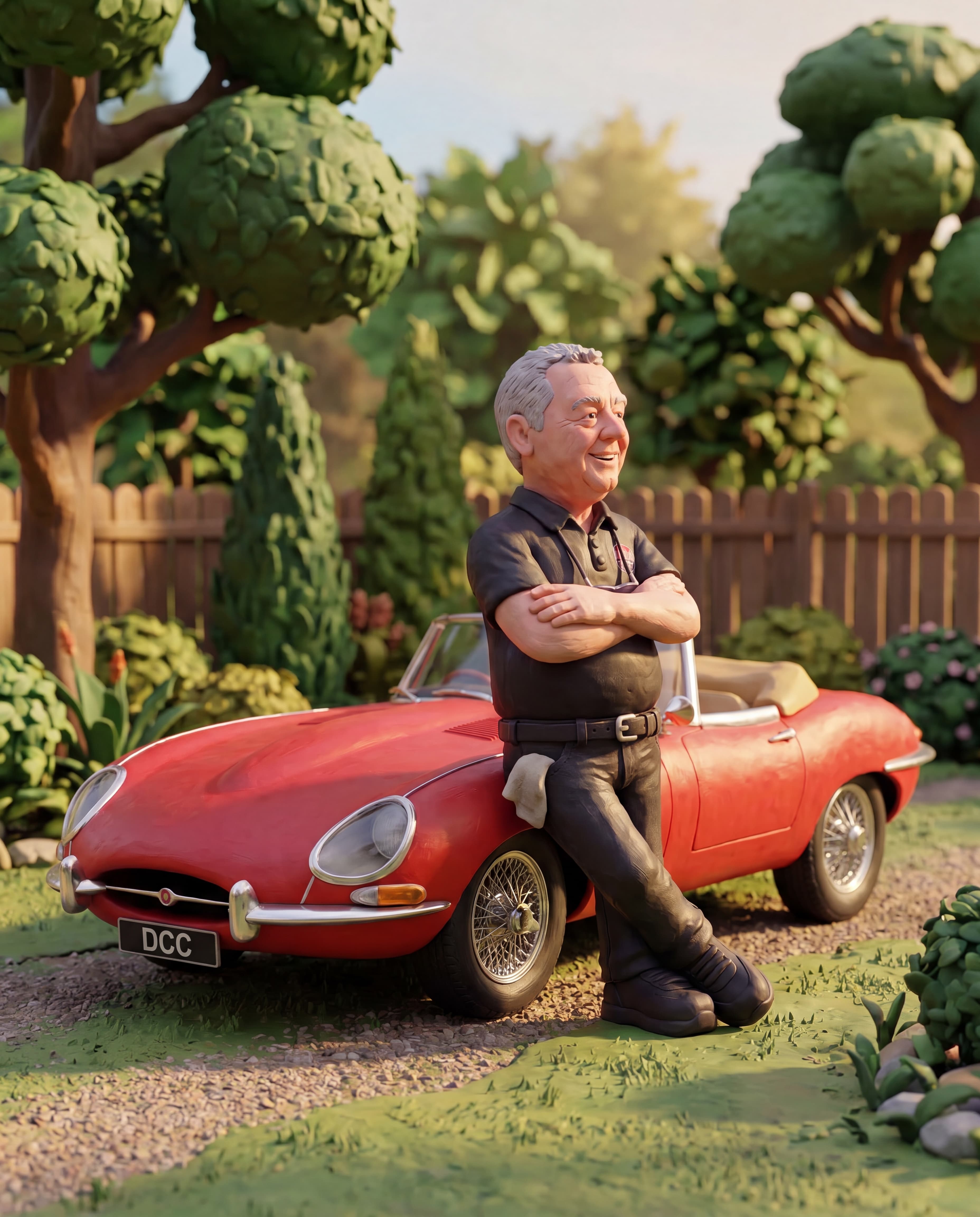
Jaguar E-Type
They say Enzo Ferrari called the E-Type the most beautiful car ever made, and standing next to one you don't argue. This is the early roadster — the long, long bonnet, the wire wheels, the little headlamps under glass before the rules made them tidy it up. In the Sixties it was the car every lad pinned up and every man promised himself. I've leaned on a few in my time, always carefully, always with a cloth between my arm and the paint. The thing people forget is how usable it was — it'd do the ton all day and still take you to the seaside. Leaning on one now, arms folded, I'm sixteen again for a minute. Some cars do that to you. This is the one that does it to me.

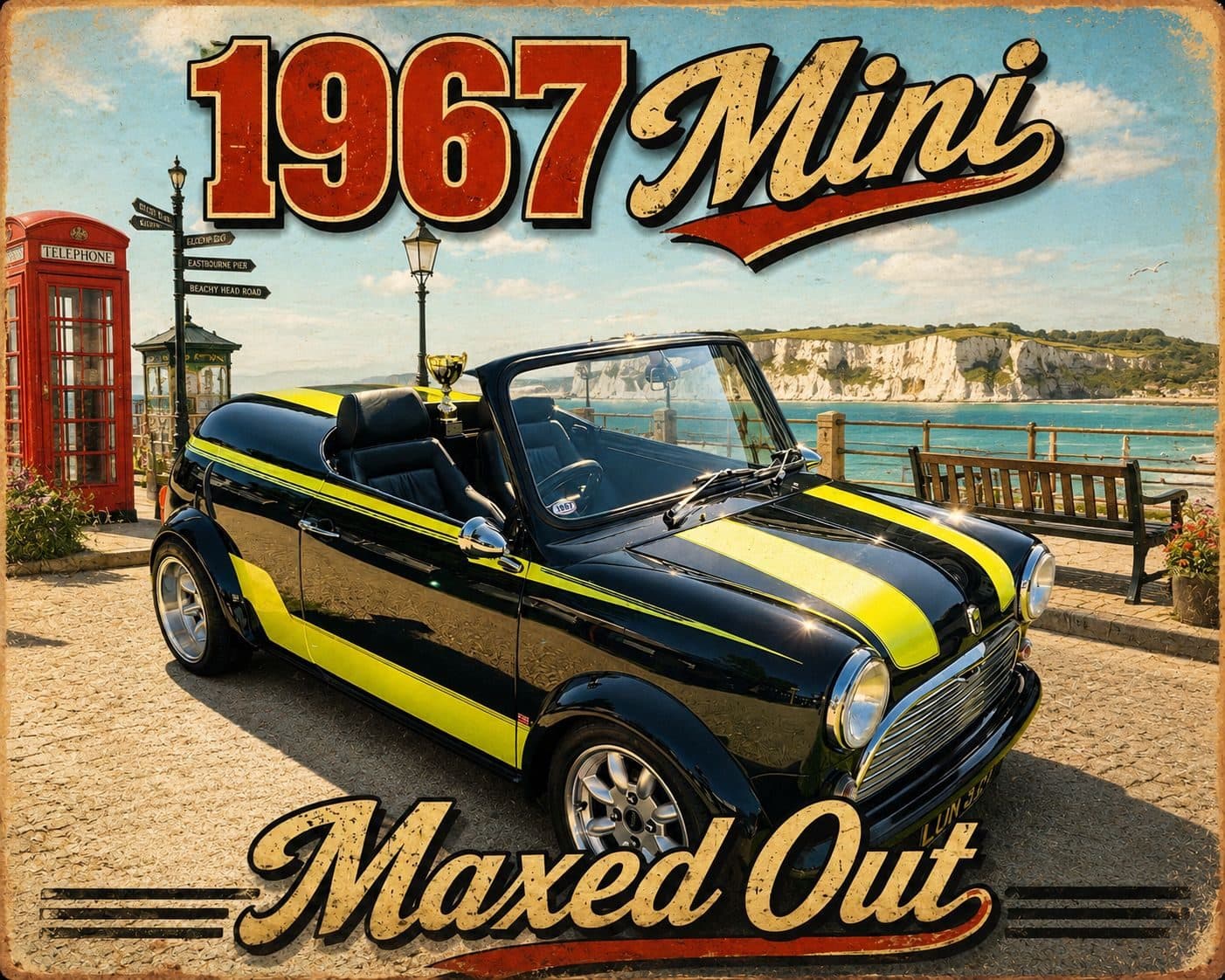
There are tidy Minis, and there’s this one: a 1967 Mini rebuilt from the floor pan up by a master engineer, with no roof — none, not folded, gone — and a sound system you’ll hear a good while before you see the car. It took the win at the Egham classic car show in Surrey in 2025, and Dean was photographed with the Mayor of Egham to prove it. The artwork alongside is our “Maxed Out” tribute to it.
A handful of sixties pieces — pitched to the people who’d spot the reference, not shout it. More to come.
Design coming soon
hoodie
The needle, sweeping past 100.
Design coming soon
sweater
Silver on black, registration invented.
Design coming soon
hoodie
No chrome it didn’t leave the factory with.
Design coming soon
sweater
Bold number, narrow bonnet stripe.
Design coming soon
hoodie
For the man who still uses the choke.
Design coming soon
sweater
A composite roadster, naming no names.
That’s the sixties — the decade everyone remembers. Next door it all gets a bit browner, and a lot funnier.